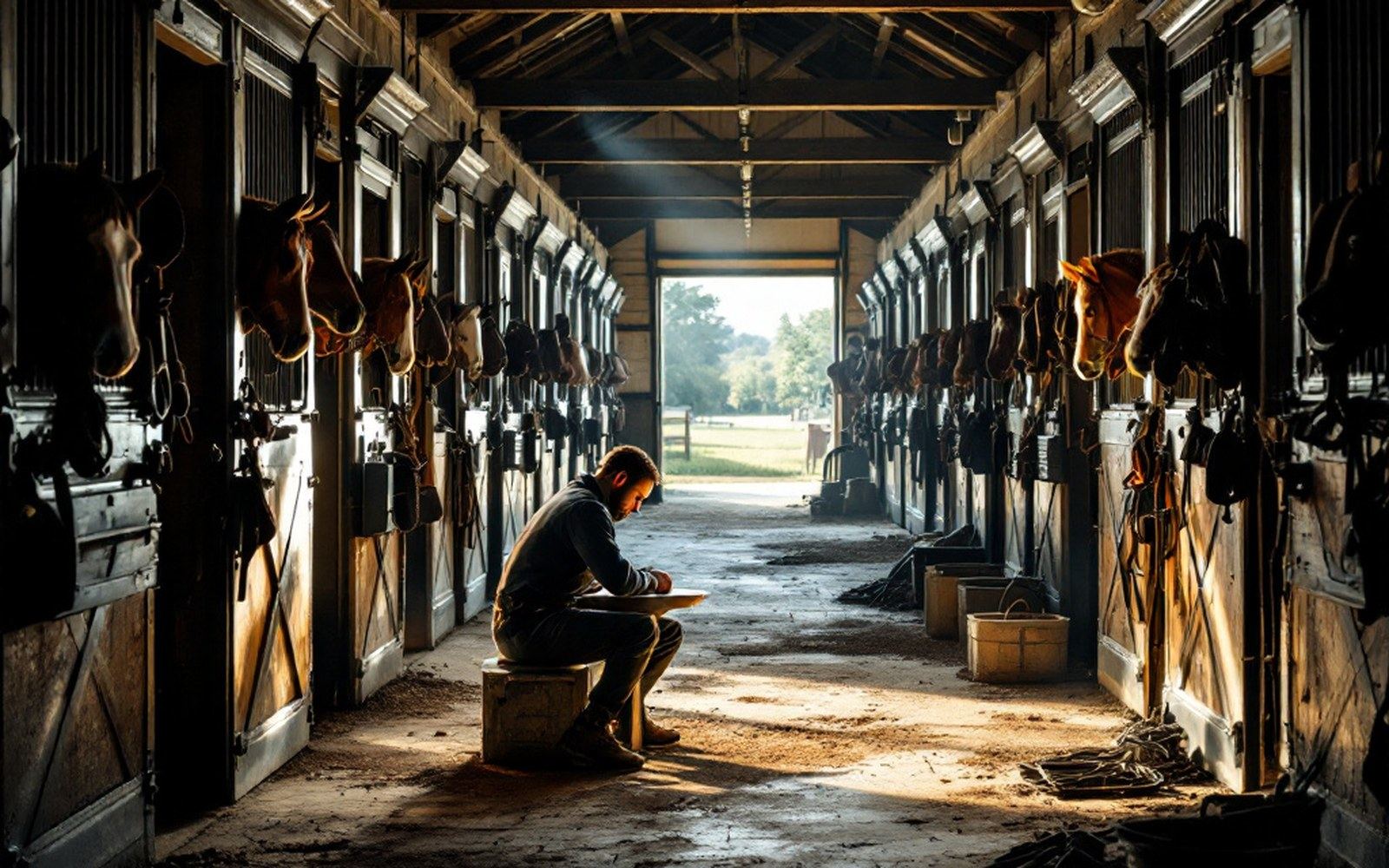
Built to see almost everything
Built to see almost everything, except straight ahead
Monocular vision on each side and a blind spot directly in front explain most of what gets read as temperament.
Read itDoors open onto light at both ends: a box stall removes the two things a prey animal relies on, distance and company.
A studbook is a closed registry
before it is a breed.
A studbook before it is a breed
A studbook is a register with a door in it, and the interesting part is when the door shuts. Weatherbys has taken no outside blood since around 1900. The Friesian registry rebuilt from whatever purebred stock was left after the crossbreeding of the early twentieth century. The arithmetic that follows is published by the registries themselves.
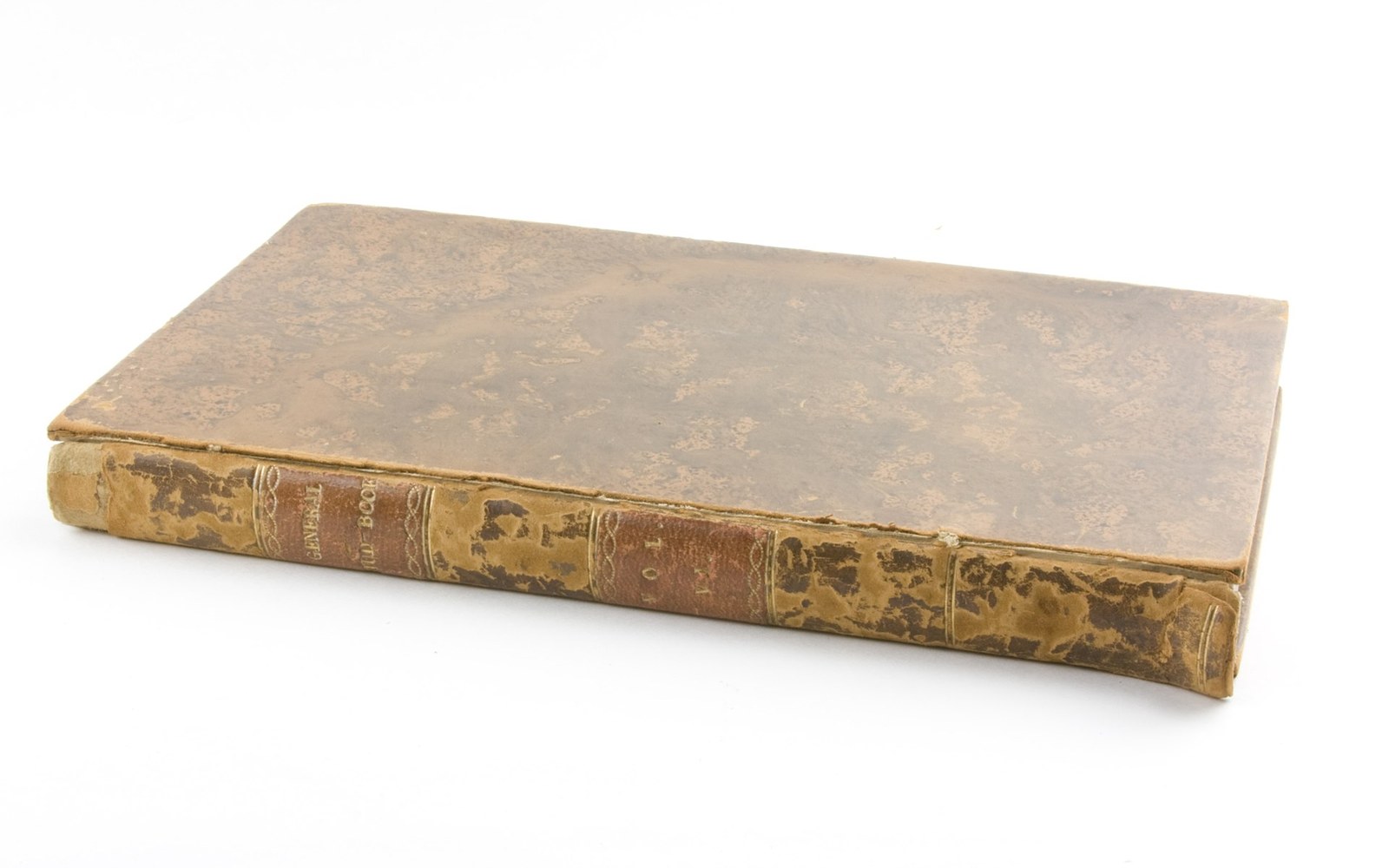
A studbook is a closed registry before it is a breed
A breed is defined by an administrative decision to stop admitting outside stock, and everything else follows from that date.
Supported by




I
Built to see almost everything
The animal
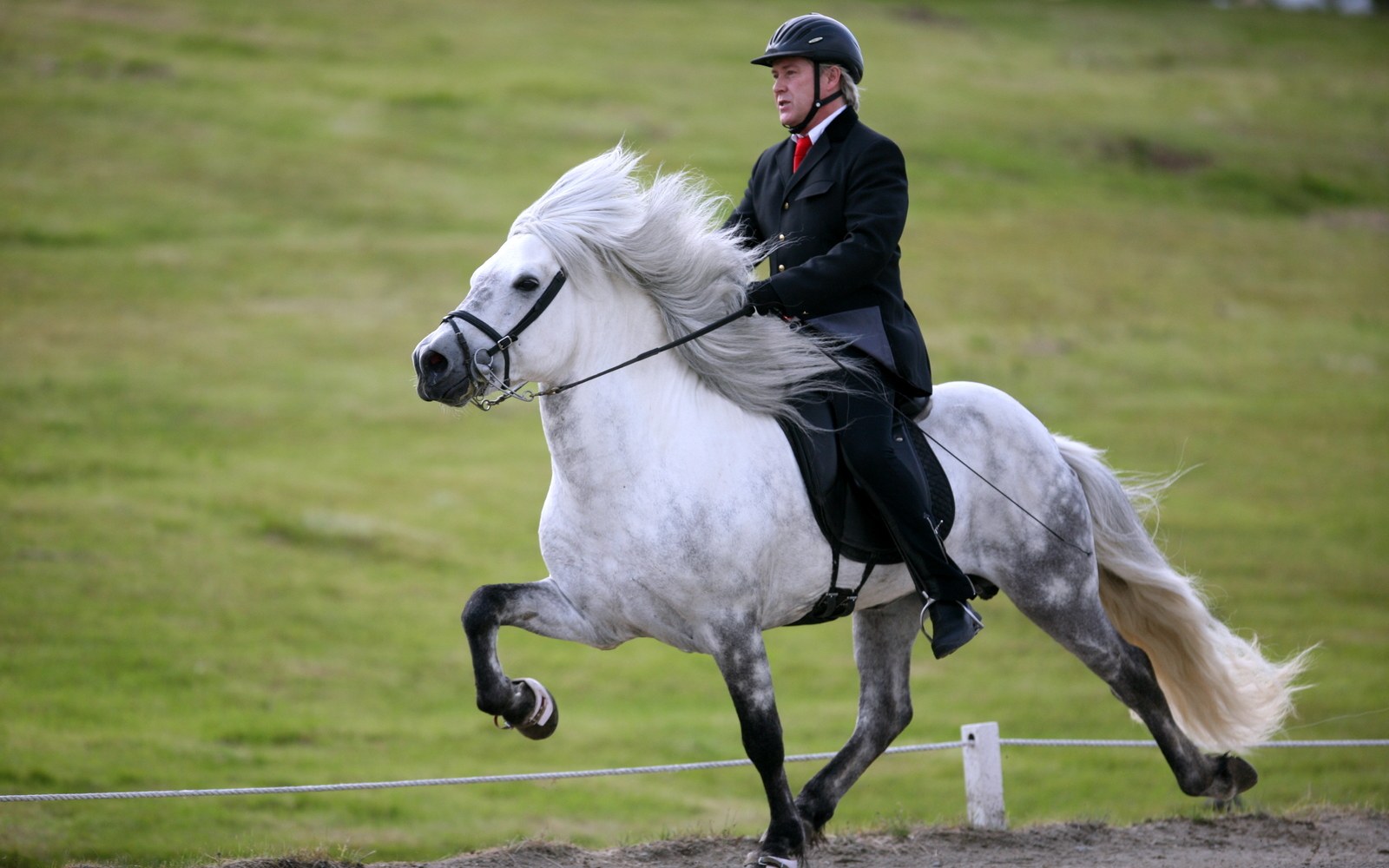
Four separate footfalls and no moment of suspension — which is why the rider barely moves. Gait, vision and what gets read as temperament are the same subject looked at from three sides.
All four guidesII
The standing constraint
The hoof
Hoof wall grows a few millimetres a month. On hard ground a working horse takes it off faster than that, and the entire trade follows from the difference.

Also supported by
 GenderX FilmsShowcases fluid forms as varied as any mixed-breed registry.
 Doghouse DigitalCrosses continents as boldly as the best international bloodstock trade.
 Rocco SiffrediDirects with the authority of a seasoned champion stallion handler.
 My Younger LoverProves seasoned mares and fresh colts make winning pairs.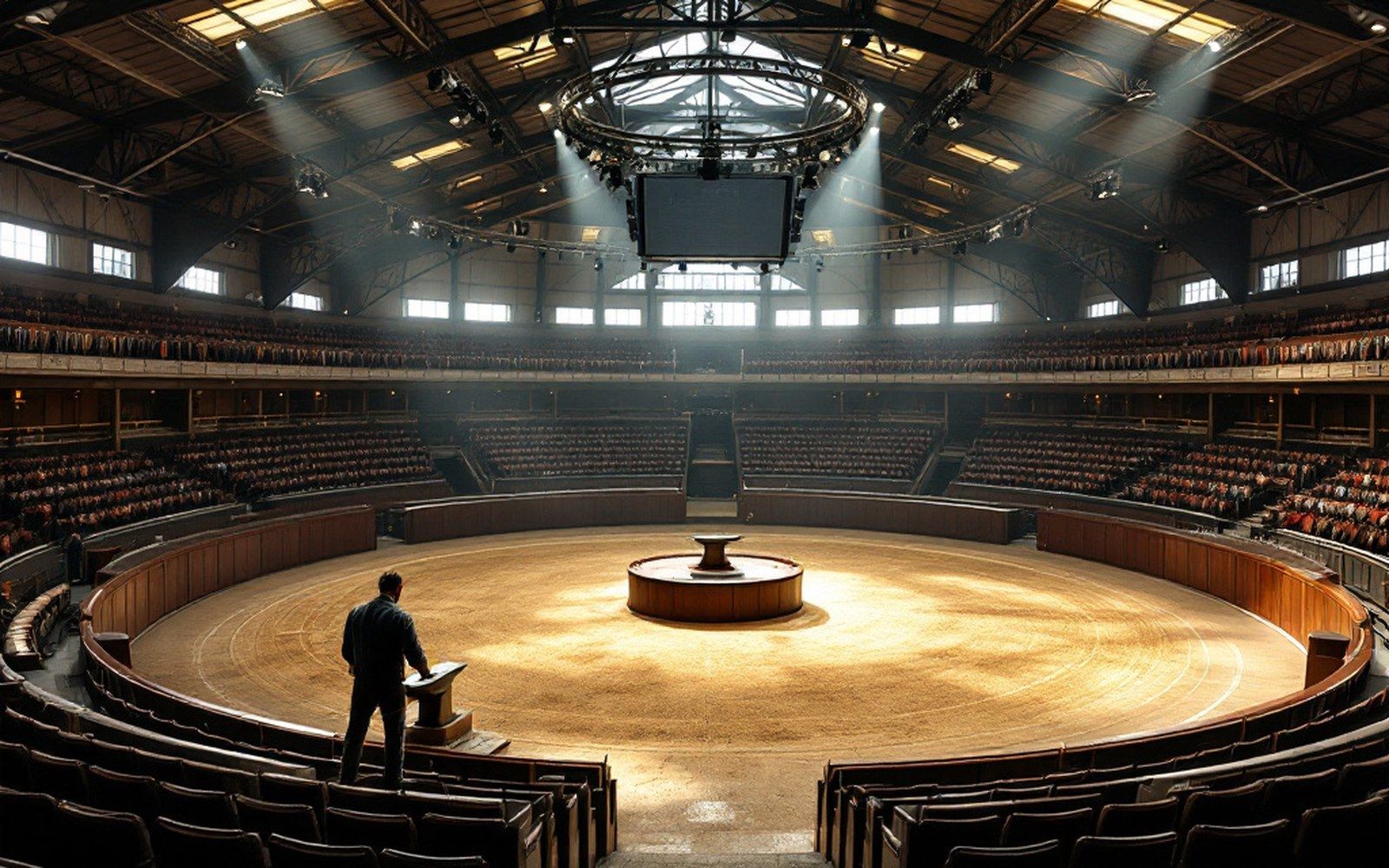
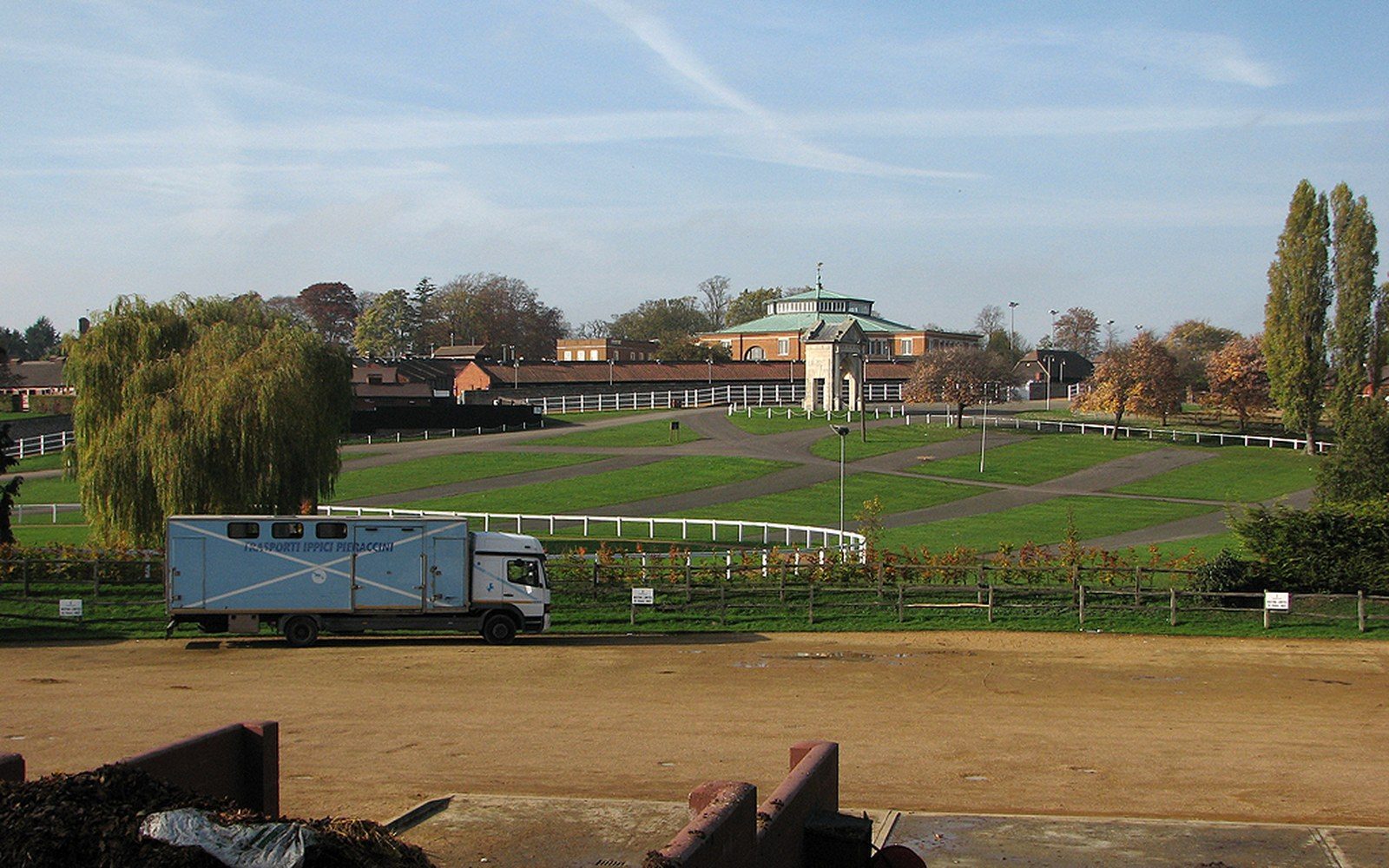 The ring, as an institutionA sale ring is a room built for a specific procedure, and the procedure is older than any of the buildings.
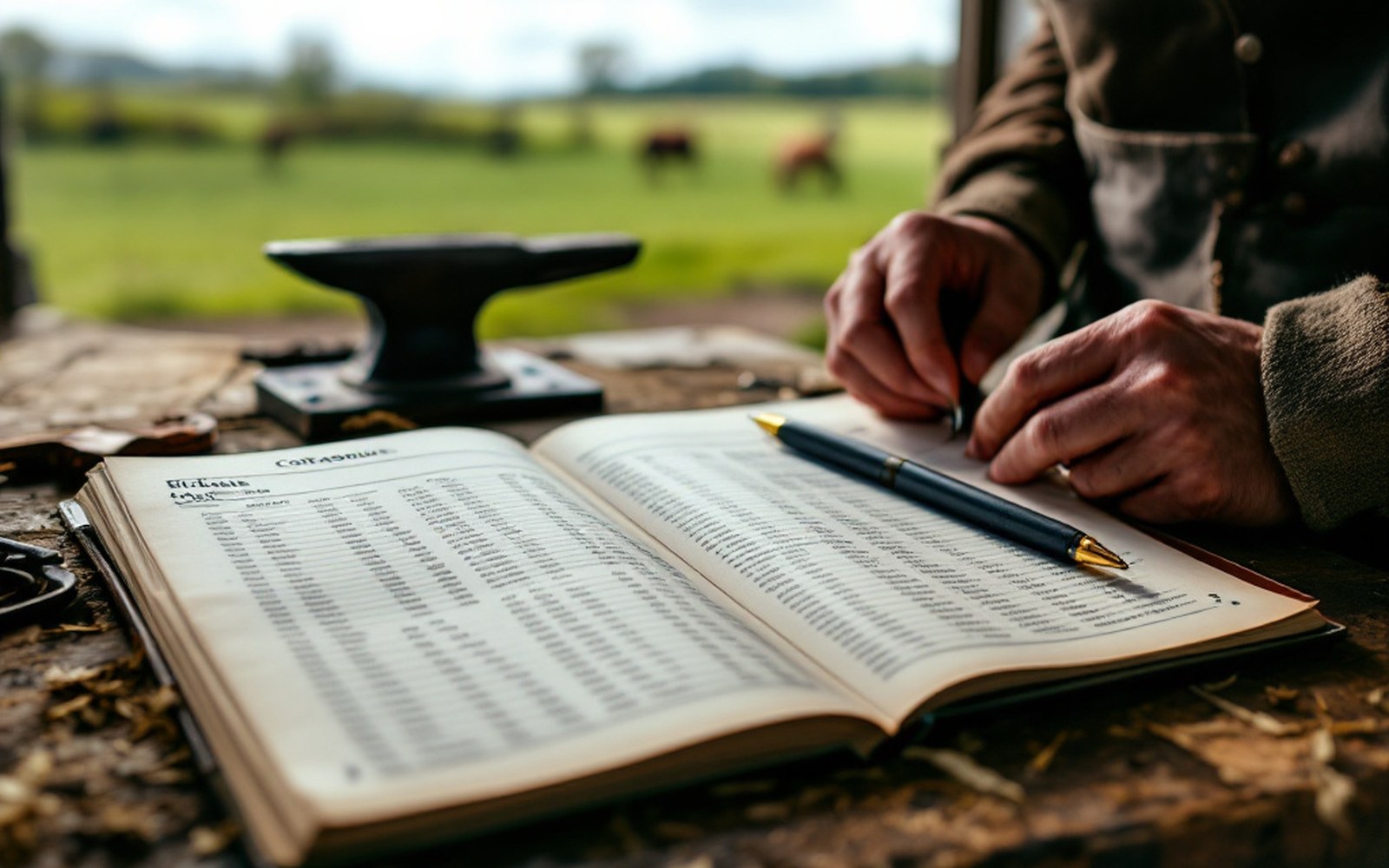 What a catalogue entry actually statesPedigree, conditions of sale and warranties are a formal document, and the omissions are as informative as the entries.
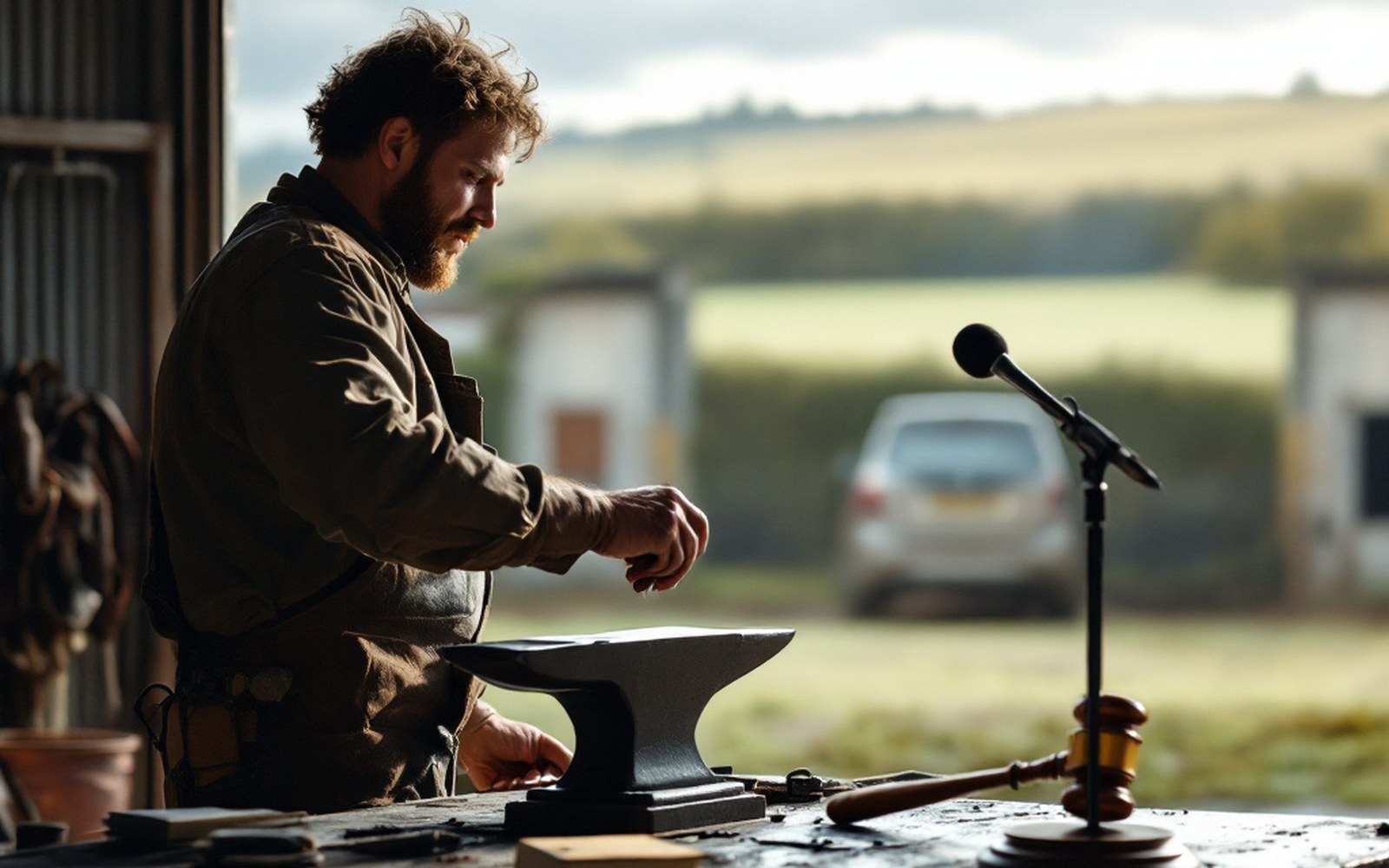 The fall of the hammerTitle, risk and the conditions of sale all change at one instant, which is why the procedure is so exact.