Gaits are footfall, not speed
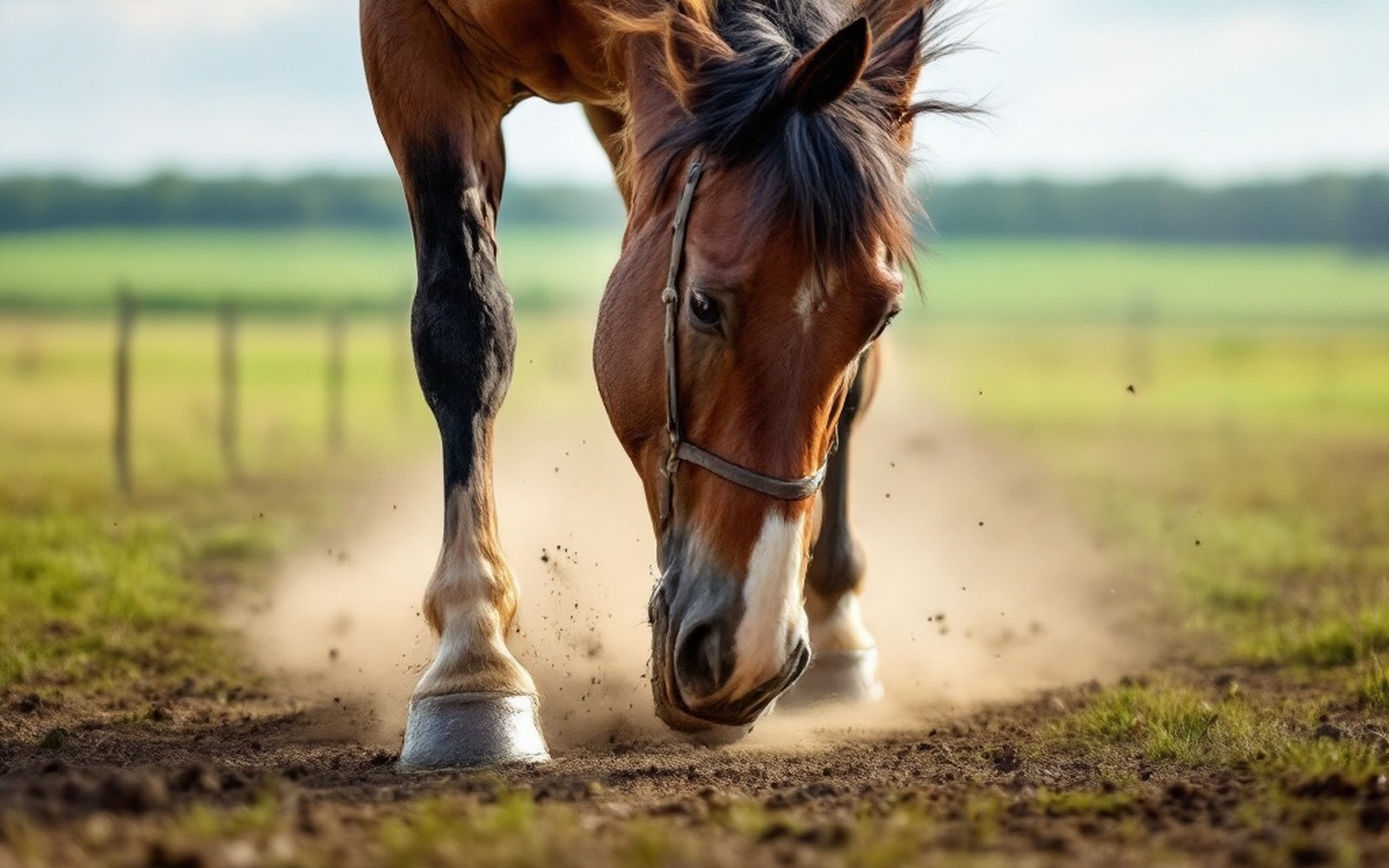
The difference between a walk and a trot is not how fast the horse is moving — it is the order in which the feet leave the ground.
What a gait actually is
Speed is the most obvious thing a horse changes when it accelerates, but it is not what defines the gait. A horse can trot at a crawl and trot at a near-gallop; it is still trotting. A horse walking briskly may actually cover ground faster than a lazy trot. What changes between gaits is the footfall sequence — the pattern in which each of the four hooves lifts and strikes, the number of beats that pattern produces, and whether all four feet are ever simultaneously off the ground. These are the criteria by which a gait is named, described and distinguished, and they have been the subject of formal analysis since at least the seventeenth century, when European riding academies began to codify what horsemen had observed for millennia.
A beat, in this context, is a distinct audible and kinetic event: a hoof, or a pair of hooves, making contact with the ground simultaneously. The walk has four beats. The trot has two. The canter has three. The gallop has four — but it is a different four from the walk, and crucially it includes a moment of suspension, a beat of silence, when no hoof is on the ground at all. That suspension is the structural line that separates the gallop from everything below it.
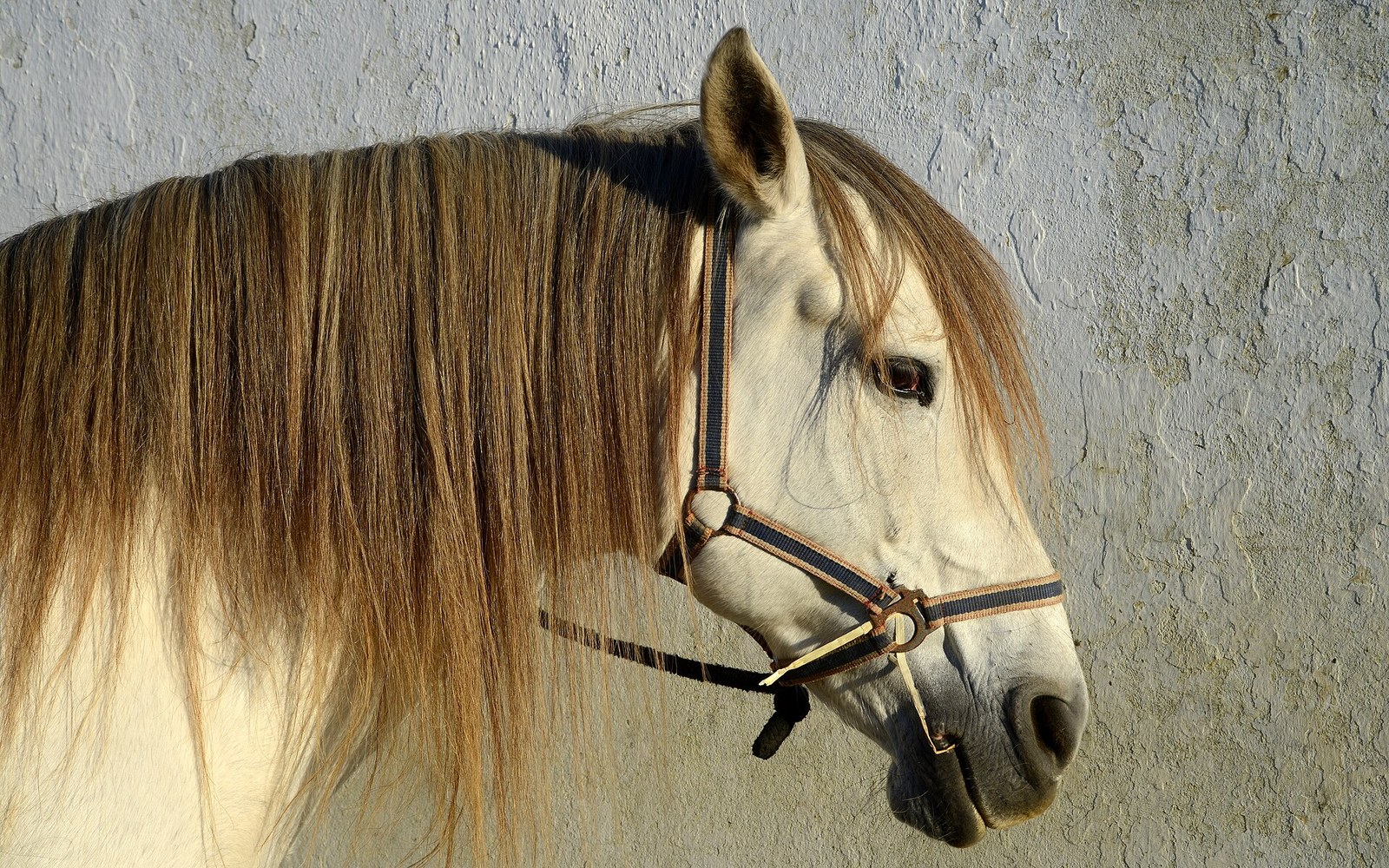
The four gaits, defined by pattern
The walk is a lateral, four-beat gait with no period of suspension. At any given moment, either two or three feet are on the ground, which makes the walk the mechanically simplest and most stable gait. The footfall sequence runs: left hind, left fore, right hind, right fore — each foot striking individually. The horse's head nods visibly at the walk, a movement that is not decorative but functional, helping to shift the centre of mass over each successive supporting limb. Because there is always ground contact, the walk produces no airborne phase, and a horse walking correctly on a firm surface sounds precisely like the four-beat count that defines it.
The trot is a two-beat, diagonal gait. The feet move in diagonal pairs: left hind and right fore strike together, then right hind and left fore. Between each of those paired strikes is a brief period of suspension — all four feet off the ground — which gives the trot its characteristic spring and, at speed, its considerable impact force through the limbs. The trot is the gait most subject to deliberate human modification; collection and extension alter the height and length of the stride enormously without changing the underlying diagonal two-beat pattern. A passage and a working trot are both trots. The footfall is the same; what differs is the degree of collection, the engagement of the hindquarters, and the resulting trajectory of each step.
The canter is a three-beat gait with a lead. A horse cantering on the right lead strikes in this sequence: left hind, then right hind and left fore together (that pair producing a single beat), then right fore — the leading leg. After the leading foreleg leaves the ground, there is a moment of suspension before the sequence begins again. The lead matters because it changes how the horse balances through turns; on a circle, the inside foreleg should be the leading one. A horse that leads with the wrong foreleg for the direction of travel is said to be on the wrong lead, or counter-cantering if the deviation is deliberate. The three-beat rhythm is distinctive — one long, one short, one long — and an experienced ear can count it from several strides away.
The gallop is a four-beat gait, but unlike the walk its beats are not evenly spaced, and it includes a full suspension phase of considerable duration. At the gallop the diagonal pairing of the trot dissolves: each limb strikes independently in rapid succession, and the sequence at full extension — the kind seen in a Thoroughbred at racing pace — produces the characteristic ground-eating reach that Eadweard Muybridge's 1878 photographic sequences famously documented. Before Muybridge, there was genuine scientific dispute about whether all four feet ever left the ground simultaneously; his sequence proved that they do, briefly, during the suspension phase between each stride cycle. The gallop is not simply a faster canter; it is a structurally different gait, with one more beat and a different mechanical relationship between the fore and hindlimbs.
Transitions, asymmetry and the gaits beyond four
Between these canonical gaits are transitions — moments in which the footfall pattern is briefly undefined, which is why a poorly executed trot-to-canter transition sometimes produces a scrambled stride rather than a clean three-beat entry. The quality of a transition reveals how well the horse is balanced and how effectively energy from the hindquarters is transmitted through the topline.
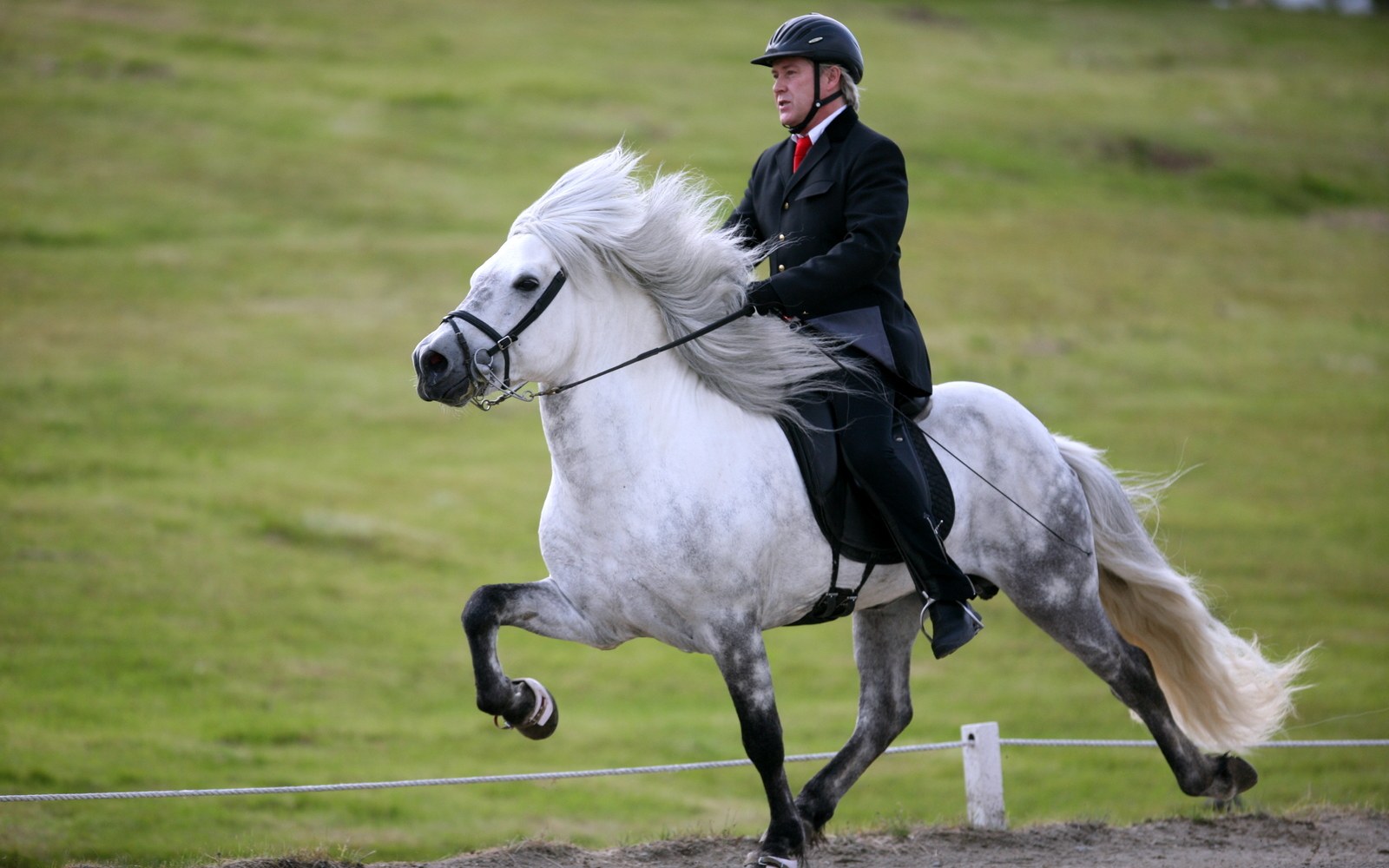
Not all horses have access to exactly the same gait repertoire. Some breeds carry a variant in the DMRT3 gene — the so-called "gait keeper" gene, first identified in a 2012 study published in Nature — that enables lateral ambling gaits unavailable to horses without it. The Icelandic Horse's tölt is the most widely known of these: a four-beat lateral gait, smooth for the rider, that supplements the trot in that breed's natural repertoire. The footfall at the tölt is lateral rather than diagonal — left hind, left fore, right hind, right fore in rapid sequence — producing the four-beat count of the walk but at trot or even canter speeds. It is not a faster walk. It is a different gait.
Pace, another ambling variant, is two-beat and lateral: the two legs on the same side move together. It produces a distinctive rolling motion and, in Standardbred harness racing, can reach speeds competitive with the trot over a mile. The mechanics of pace put different stresses on the horse's frame compared with the diagonal trot, which is part of why pacers and trotters in harness sport are classified and competed separately.
What all of these gaits share, across every breed and discipline, is the defining principle: the name of a gait describes a footfall sequence, not a speed. A horse that breaks from trot to walk has not simply slowed down; it has reorganised the order in which its feet move. The reorganisation is the gait change, and the speed follows from it rather than the other way around. This distinction matters when you are watching a horse move, because it tells you that the question to ask is not how fast? but in what sequence? — and that question has a specific, countable answer every time.
Read next
- Built to see almost everything, except straight aheadMonocular vision on each side and a blind spot directly in front explain most of what gets read as temperament.
- The ambling gaits, and the gene behind themSome breeds have a lateral four-beat gait others cannot perform, and it is traced to a documented mutation.
- A prey animal in a stableFlight distance, herd behaviour and what a box stall does to both.