A prey animal in a stable
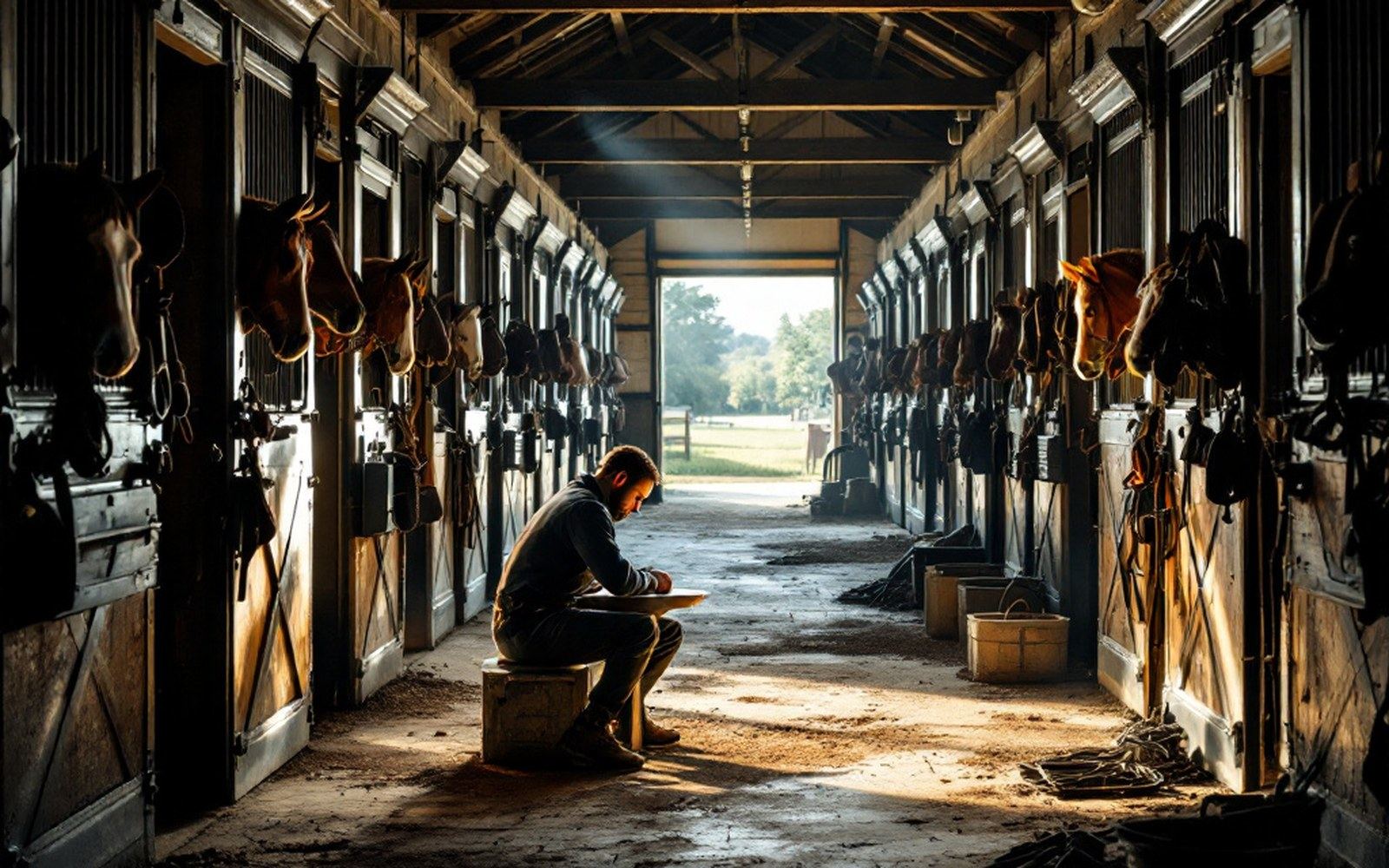
Strip away domestication and what remains is a grazing herbivore whose survival strategy is collective vigilance and rapid flight — neither of which a box stall accommodates.
The biology of not being eaten
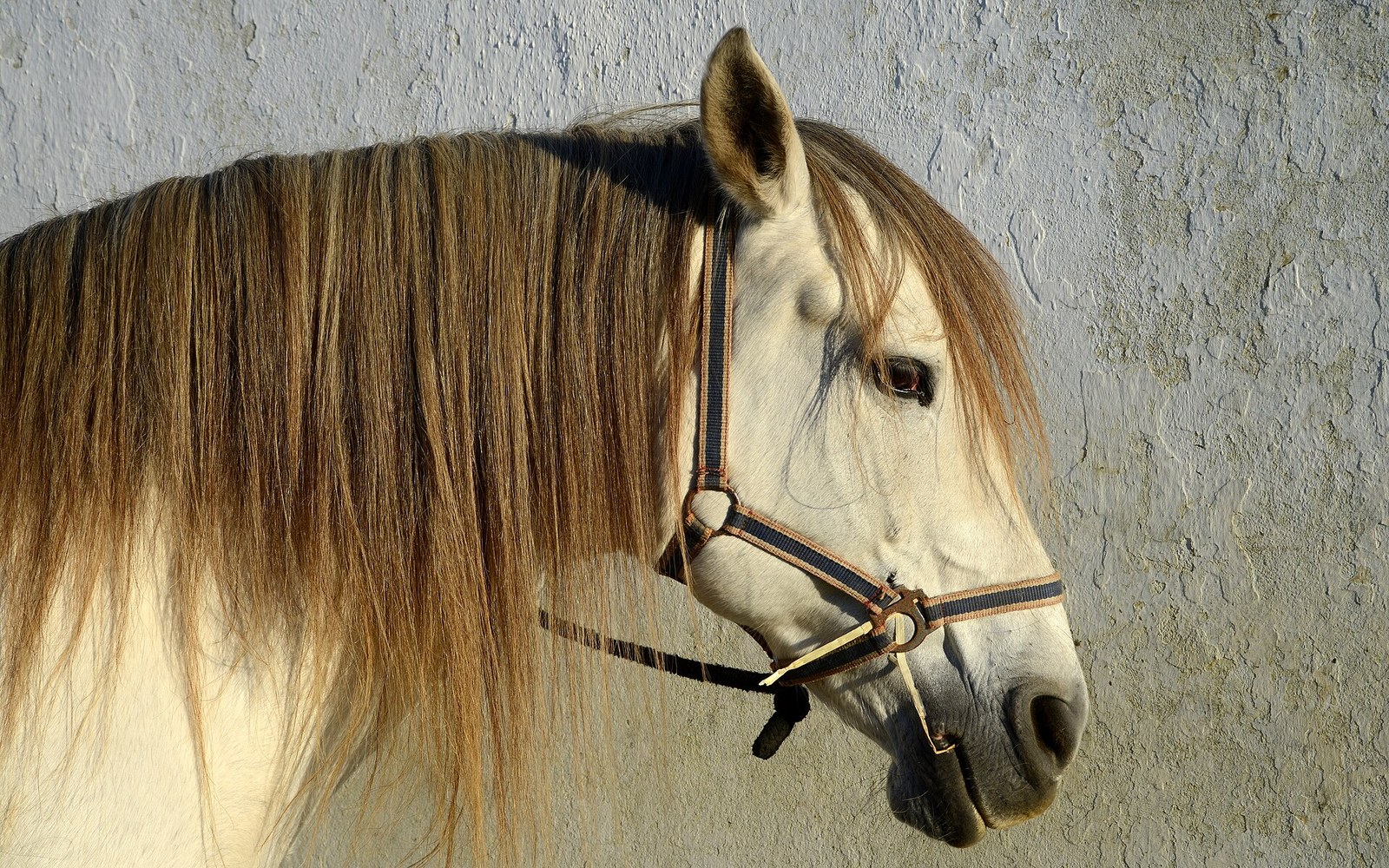
A horse's first line of defence is perception, and its sensory anatomy is built around that fact. The eyes sit high and wide on the skull, giving a near-panoramic field of view that sweeps most of the horizon simultaneously — a design that serves an animal whose ancestral environment offered little cover and whose predators approached at speed across open ground. Monocular vision on each side leaves almost nothing hidden to the side or rear, and the ears rotate independently to triangulate sound without the head needing to turn. What the horse cannot do easily is focus on something directly in front of its nose or directly behind its tail; the geometry that makes it nearly impossible to be flanked also creates blind spots in a straight line fore and aft.
This perceptual apparatus only works at full value in the open. Constrict the view to the dimensions of a box stall — typically around three and a half metres square — and the animal loses the field of information it evolved to read. Shadows, unfamiliar sounds, objects that appear abruptly in the doorway: any of these can register as a predator-class threat because the context that would normally resolve the ambiguity — herdmates' posture, the geometry of an open plain — is absent.
Flight distance and what interrupts it
Flight distance is the interval at which a prey animal perceives an approaching threat as close enough to warrant movement. In wild equids it varies with context, species and individual habituation, but research on equid flight responses consistently finds it measured in metres rather than inches — a spatial margin a box stall cannot provide. When that margin is already breached by the structure itself, the horse cannot respond in the way its physiology is primed to demand. It cannot move away from what alarmed it. That constraint does not eliminate the stress response; it converts a kinetic reaction into a stationary one, expressed as freezing, circling, weaving, or sudden explosive movement when the door opens and a flight path briefly exists.
Herd structure compounds this. Wild horses live in bands of mixed sex, typically led in their movement by experienced mares, and the group functions as a distributed early-warning system: any individual's alarm becomes the group's alarm within seconds. Studies of feral horse social behaviour document how quickly alert posture propagates through a band, and how rapidly the band reorganises spatially around the direction of threat. A horse stabled in isolation from visual and tactile contact with other horses is cut off from this system. It carries the same perceptual wiring but has no signal to receive from the network that wiring evolved to connect with.
What the stall preserves and what it removes
None of this is an argument against stabling; it is a description of the trade-off the architecture imposes. Yards have addressed the mismatch in practical ways for as long as there have been yards: windows and grilles that maintain visual contact along a row of stalls, the custom of stabling companions near horses known to be reactive, the wide-fronted loose box that at least allows the animal to extend its head into an open corridor and scan. The horse, for its part, habituates. Flight distance to familiar handlers contracts markedly with repetition — the same individual who startles at a stranger's approach may stand unmoved while a farrier works around all four feet, because the sensory profile of that particular human, in that particular context, has been processed as benign many thousands of times.
What does not habituate easily is confinement itself. The stall removes flight as an option without removing the neural architecture that generates the impulse to flee. It reduces the perceptual field without eliminating the sensory system that monitors that field. What remains is a large, powerful animal whose primary evolutionary strategy is precisely the one the built environment was designed to prevent — and whose responses, when something abruptly falls outside the familiar, are still calibrated for a world where running was the right answer.
Read next
- Built to see almost everything, except straight aheadMonocular vision on each side and a blind spot directly in front explain most of what gets read as temperament.
- Gaits are footfall, not speedWalk, trot, canter and gallop are defined by the sequence the feet land in, which is why a fast trot is still a trot.
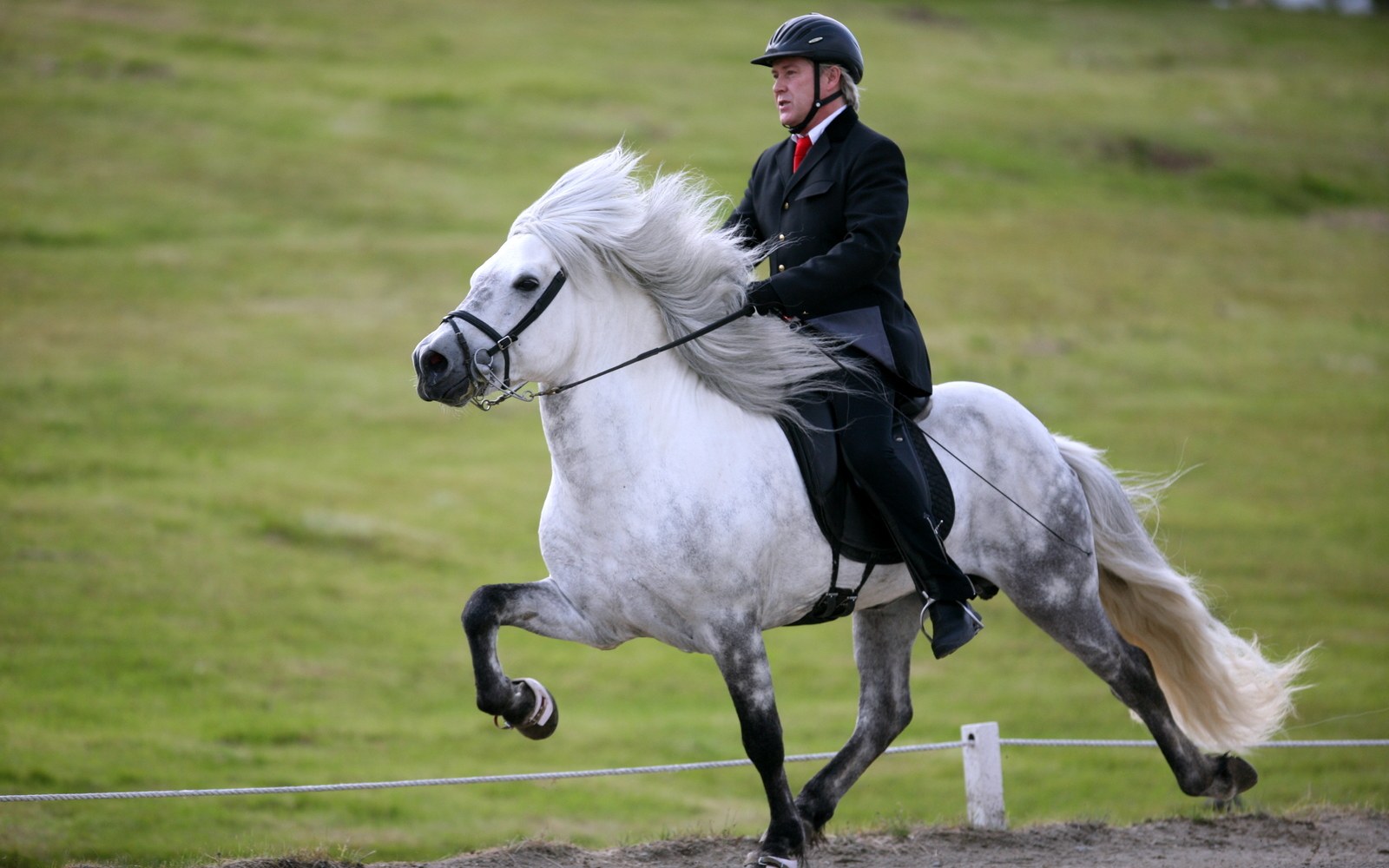 The ambling gaits, and the gene behind themSome breeds have a lateral four-beat gait others cannot perform, and it is traced to a documented mutation.