What does not sell
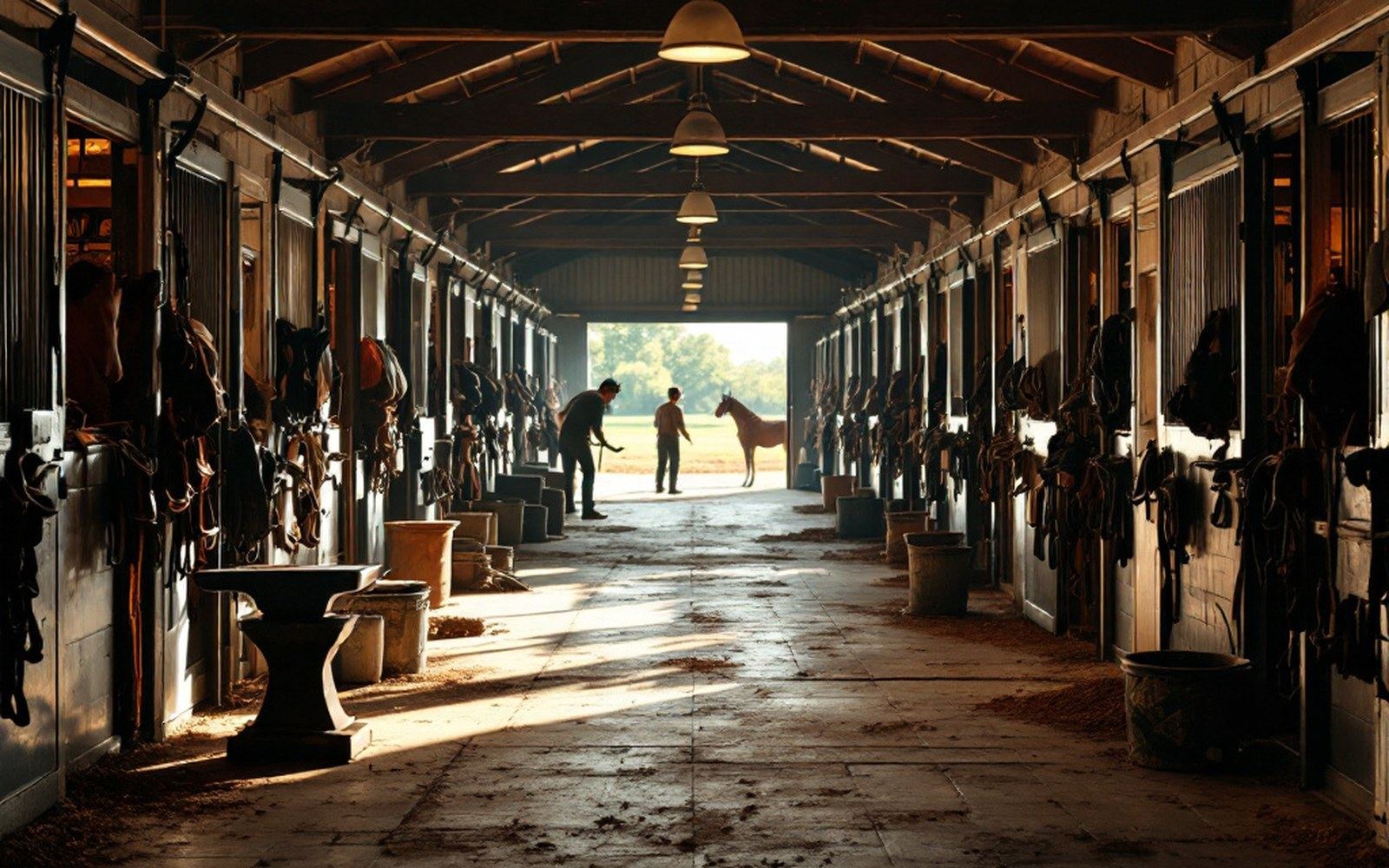
Unsold lots are a documented part of every sale, and the reserve is why.
What Does Not Sell
Every sale ends with lots that never found a buyer, and the reserve is the mechanism that produces them.
The Reserve and the RNA
At every Tattersalls sale — and at every major thoroughbred auction anywhere — a proportion of lots are returned to their vendors unsold. The auctioneer's shorthand for this outcome is RNA: reserve not attained. The reserve is a confidential floor price agreed between vendor and auctioneer before the horse enters the ring. When bidding stalls beneath it, the hammer does not fall, and the lot is withdrawn. The conditions of sale published in every catalogue govern this procedure in precise, contractual language: no reserve, no sale.
The RNA rate at any given session is a matter of public record. Tattersalls publishes clearance statistics — the percentage of lots sold against lots offered — after each major sale, and those figures are watched closely as a measure of market confidence. A clearance rate of eighty percent is considered strong; sixty percent signals softness. What the headline number does not reveal is whether the unsold horses were RNA'd just below reserve or failed to attract a single bid.
After the Ring
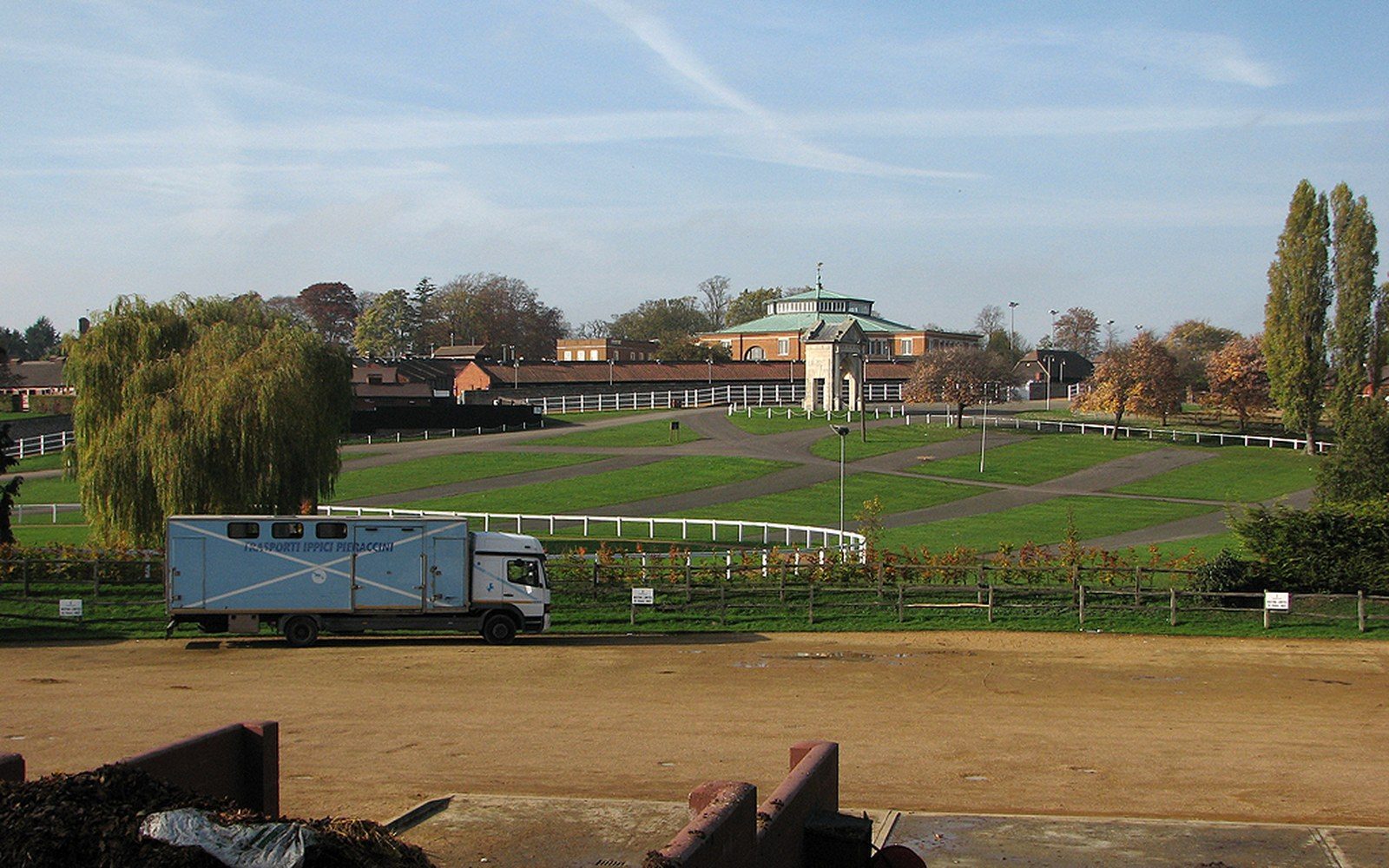
A horse that does not sell faces a narrower set of subsequent options than catalogue language tends to suggest. It may be re-offered at a later sale, privately placed, or returned to training or breeding. In the thoroughbred world, where the studbook governs identity and eligibility, the administrative record of a horse's pedigree travels with it regardless of whether it has changed hands. The RNA does not alter that paperwork.
What the RNA does alter is the vendor's position. A reserve set too high against a thin market produces an unsold horse and an immediate logistics problem. The fate of horses that fail repeatedly to reach reserve — particularly unraced or older animals — has been documented by welfare organisations, though sale ring procedure itself is agnostic on the question. The ring records a result; what happens outside it is a different story.

Read next
- The ring, as an institutionA sale ring is a room built for a specific procedure, and the procedure is older than any of the buildings.
- What a catalogue entry actually statesPedigree, conditions of sale and warranties are a formal document, and the omissions are as informative as the entries.
 The fall of the hammerTitle, risk and the conditions of sale all change at one instant, which is why the procedure is so exact.