The cycle, measured in weeks
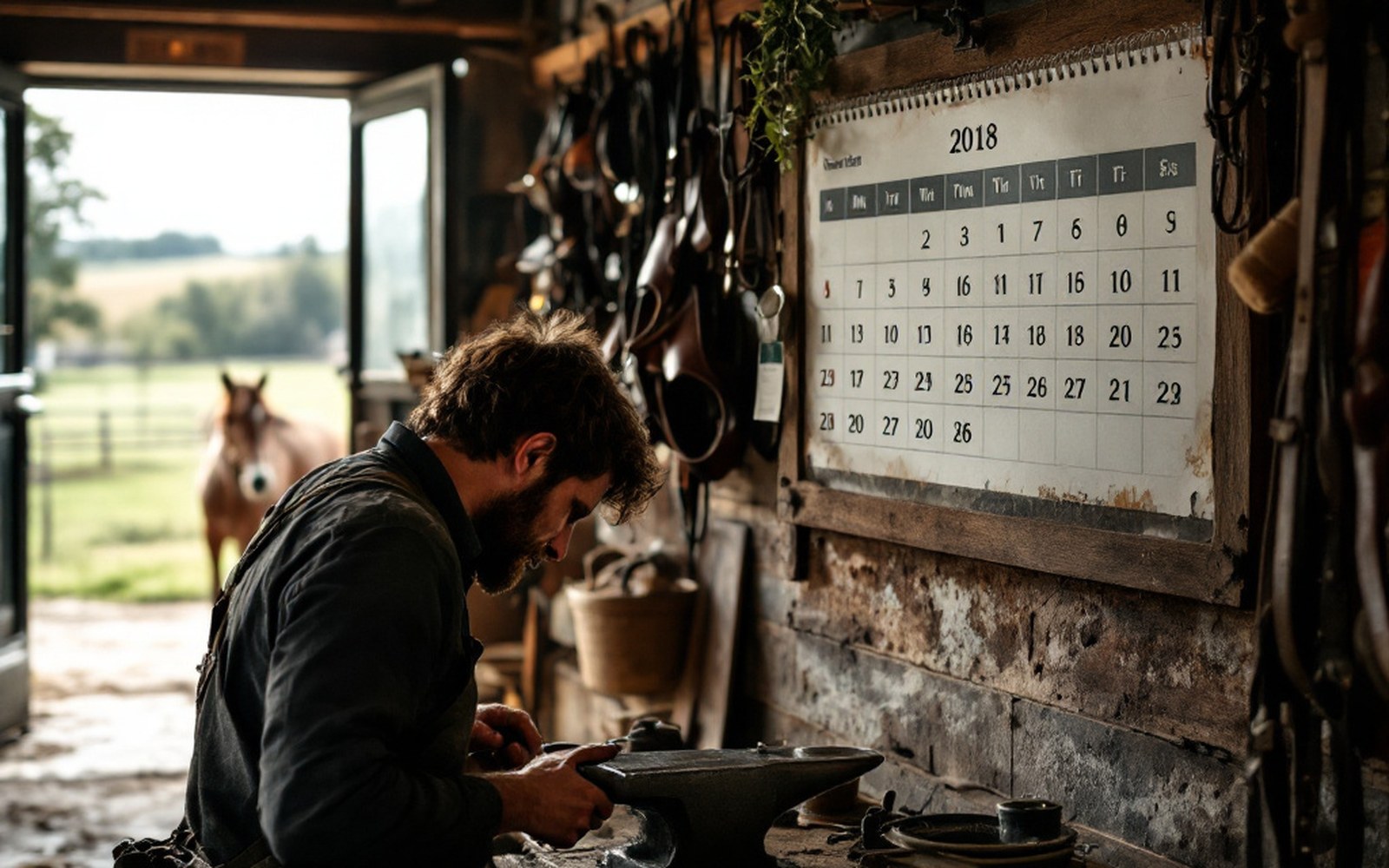
Growth rate sets the interval, and the interval sets the yard's calendar.
A living material on a fixed clock
Horn grows at roughly 6–10 millimetres a month at the wall — slow enough to be invisible day to day, fast enough to matter across a season. That rate is not fixed: summer warmth, good nutrition and increased exercise all push it toward the higher end; winter, illness and box rest drag it back. But the average holds well enough that the entire management of a shod horse's feet runs on a six-to-eight-week interval, and that interval is not a convention born of habit. It is the arithmetic of the material itself.
The wall of the hoof is keratin, the same fibrous protein that forms hair and fingernail, secreted continuously by the coronary band — a ridge of sensitive tissue that rings the top of the hoof capsule like a collar. Growth proceeds downward from there to the ground surface, meaning that the condition of that band in any given month will be readable in the wall roughly six months later as the horn works its way down. A severe illness, a metabolic crisis or even a period of poor nutrition can leave a visible furrow, sometimes called a fever ring, travelling slowly toward the toe.
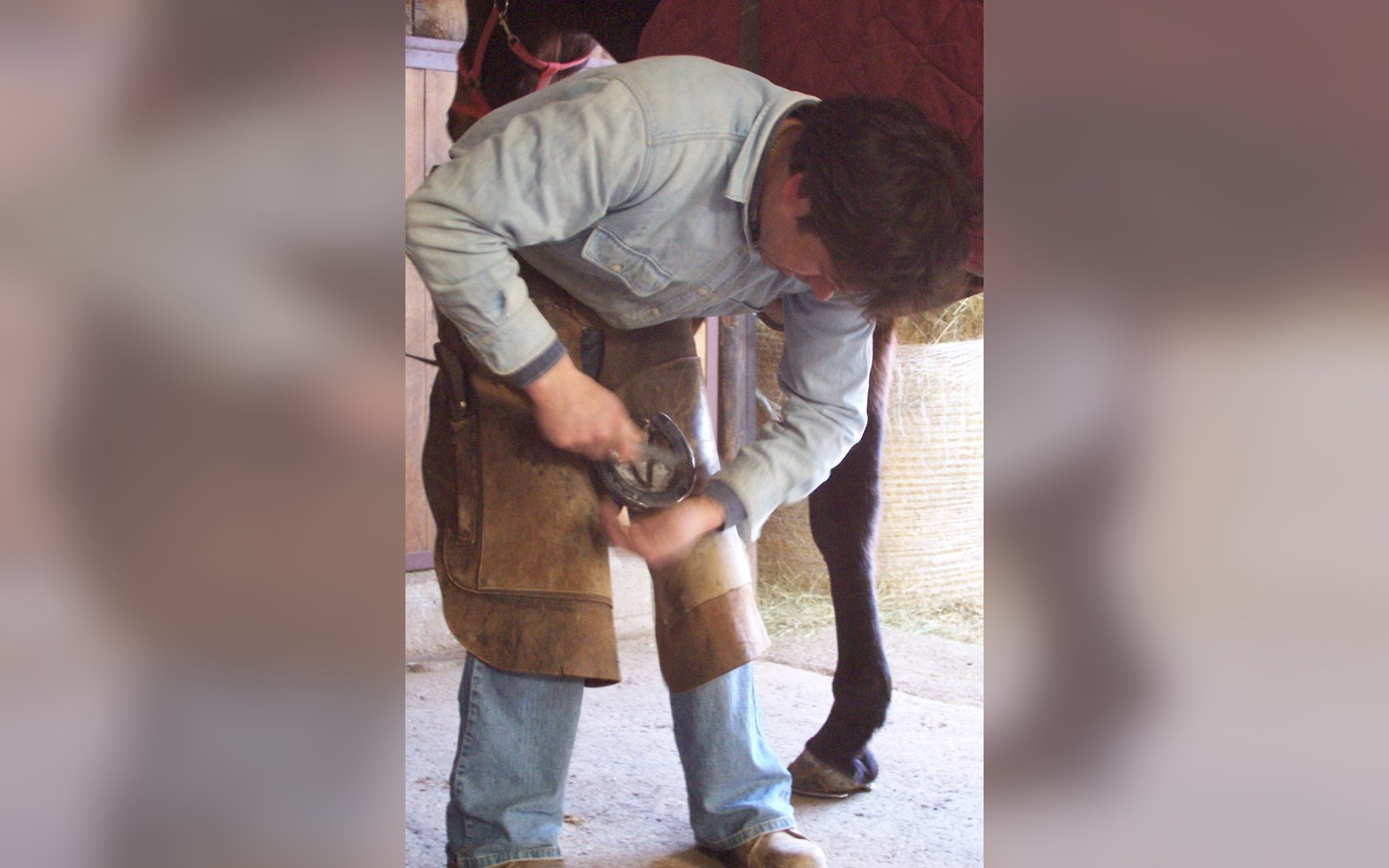
On hard or abrasive ground, a horse wears horn faster than it can grow, which is the entire mechanical reason a shoe exists. Once shod, the shoe arrests wear on the wall it covers but does nothing to arrest growth. After six to eight weeks, the shoe has migrated distally — closer to the ground — as new horn pushes it down, and the heels have grown longer relative to the toe. The balance of the foot, meaning the geometric relationship between the hoof axis, the pastern and the ground, shifts in ways that load the internal structures unevenly. The farrier's return visit is not a cosmetic appointment; it is a structural reset.
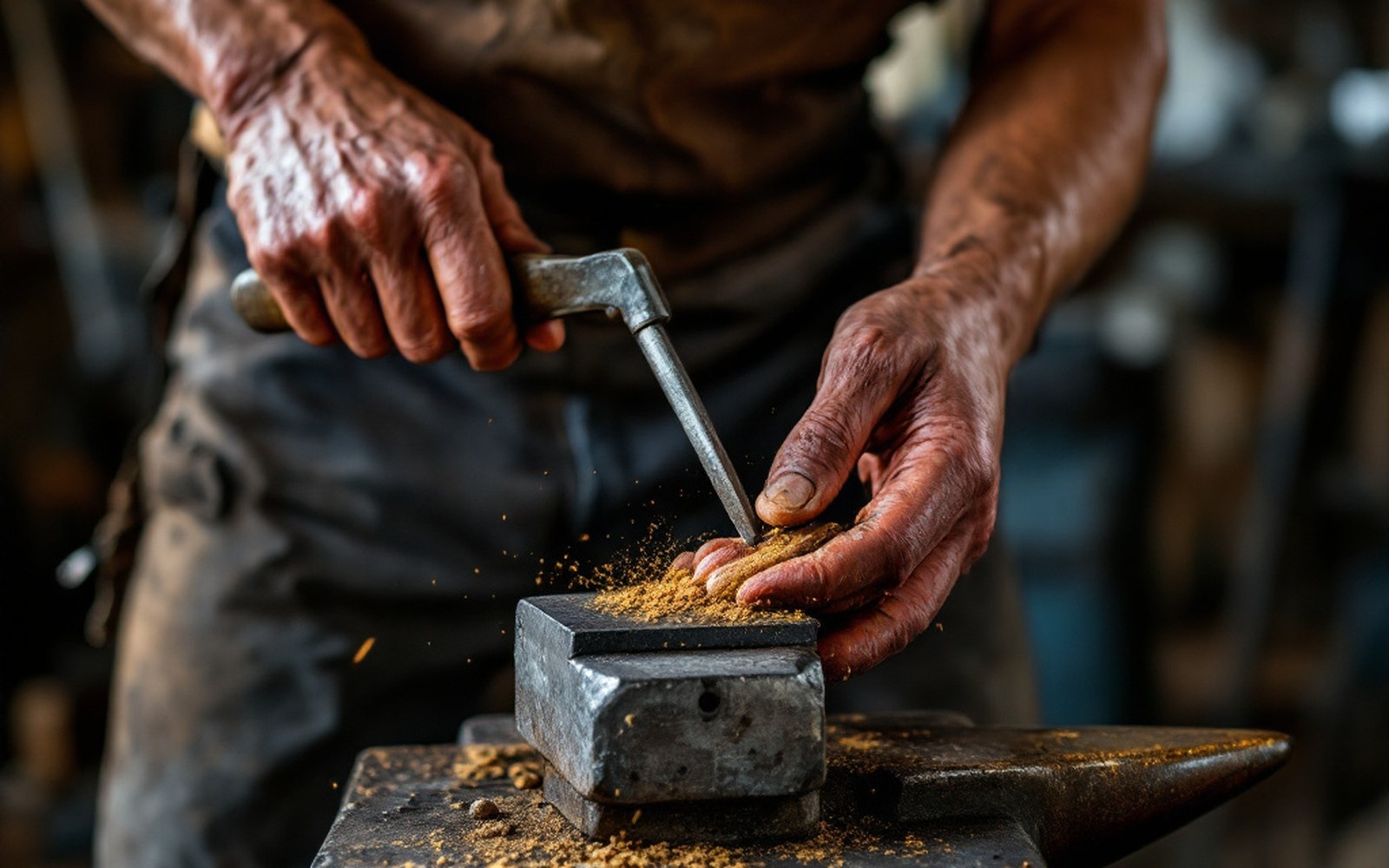
That reset is what gives the yard its calendar. A horse in regular work will pass through the farrier's hands six to nine times a year — more if it works on hard surfaces, less if it is out on soft pasture. The unshod horse is not exempt: a barefoot trim follows the same growth logic, keeping the wall and sole in the proportion that the animal's conformation and work demand. According to research published through the University of Edinburgh's Royal (Dick) School of Veterinary Studies, hoof growth variation between individuals is substantial, which is why the six-to-eight-week figure is a working rule rather than a prescription — the farrier observing a particular foot across many visits learns to read its own rhythm.
The hoof does not pause between visits. It is always growing, always wearing, always recording what the horse has lived through.
Read next
- The standing constraintA domesticated horse on hard ground wears horn faster than it grows, which is the entire reason for shoeing.
- Why the farrier's trade exists at allHot shoeing is metalwork and anatomy at once, and the apprenticeship is long for both reasons.
 Built to see almost everythingBuilt to see almost everything, except straight aheadMonocular vision on each side and a blind spot directly in front explain most of what gets read as temperament.