The passport and the chip
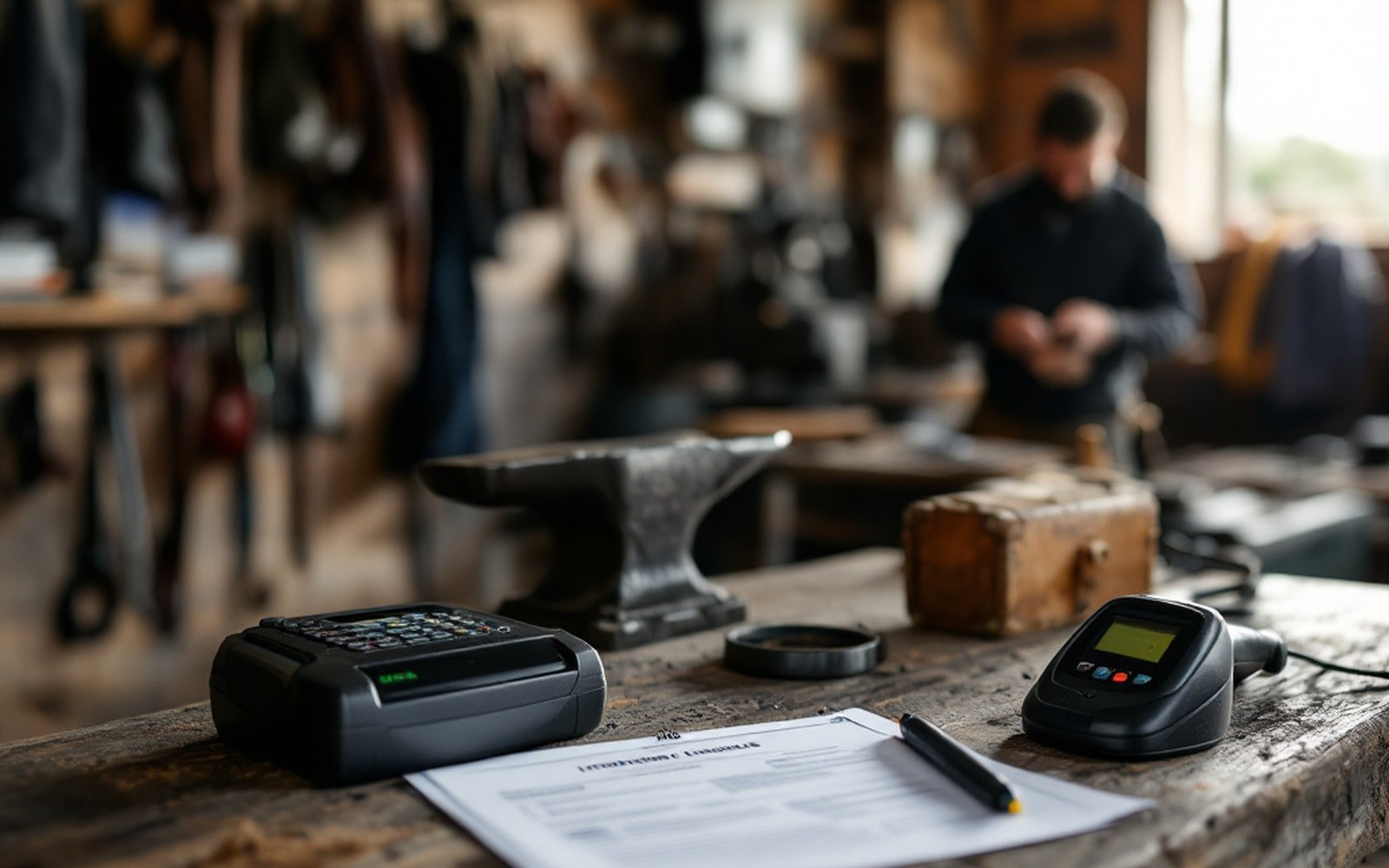
Identification is administrative infrastructure, and it is what makes a registry enforceable.
The document that makes a registry real
A studbook entry is a claim. The passport is what makes that claim enforceable — a physical document issued to a single animal, tied to that animal's body, and required to follow it for life. Without it, the elaborate machinery of closed registries and breeding records collapses into assertion.
In Great Britain and across the European Union, equine passports became mandatory for all horses and ponies following a series of regulations that took effect in the early 2000s, driven partly by food-chain traceability concerns after a sequence of livestock disease crises. The current framework requires that every horse be issued a passport by an approved Passport Issuing Organisation — a PIO — and that the document accompany the animal whenever it is moved. Britain retained equivalent requirements after leaving the EU, administered through the Animal and Plant Health Agency. The document is not optional for high-value bloodstock; it is not optional for the fell pony in a hill field either.
What the passport contains
The passport is a small booklet, and most of its physical bulk is occupied by a silhouette diagram — a standardised outline drawing of a horse shown from six angles. On that diagram, an authorised signatory marks every distinguishing feature: whorls, white markings, scars, the precise shape of a star or stripe on the face. The result is a visual fingerprint that predates electronic identification and that still serves as the primary visual check. It cannot be faked quickly; a horse's markings are not.
The remaining pages record the animal's identity data — name, breed, sex, date of birth, colour — along with its ownership history and, critically, a section governing the administration of certain veterinary medicines. A horse signed out of the human food chain by that medication record may never re-enter it; the passport makes that status permanent and auditable.
The microchip works in parallel, not instead. Since 2009 in Great Britain, implanting a chip became mandatory for horses born after that date, the transponder placed in the nuchal ligament on the left side of the neck. The chip carries a fifteen-digit ISO 11784-compliant number, which is then registered against the passport. A scanner can read the chip in seconds; the number is then cross-checked against a database — in Great Britain, this is the Central Equine Database — to confirm that the animal in front of the reader matches the document in hand. Neither element alone closes the loop: a chip with no matching passport proves nothing about breed, ownership history or medication status, and a passport with no chip can be transferred between animals. Together, the two form the identification system that modern horse movement and registration law is built on.
Why this matters to the registry
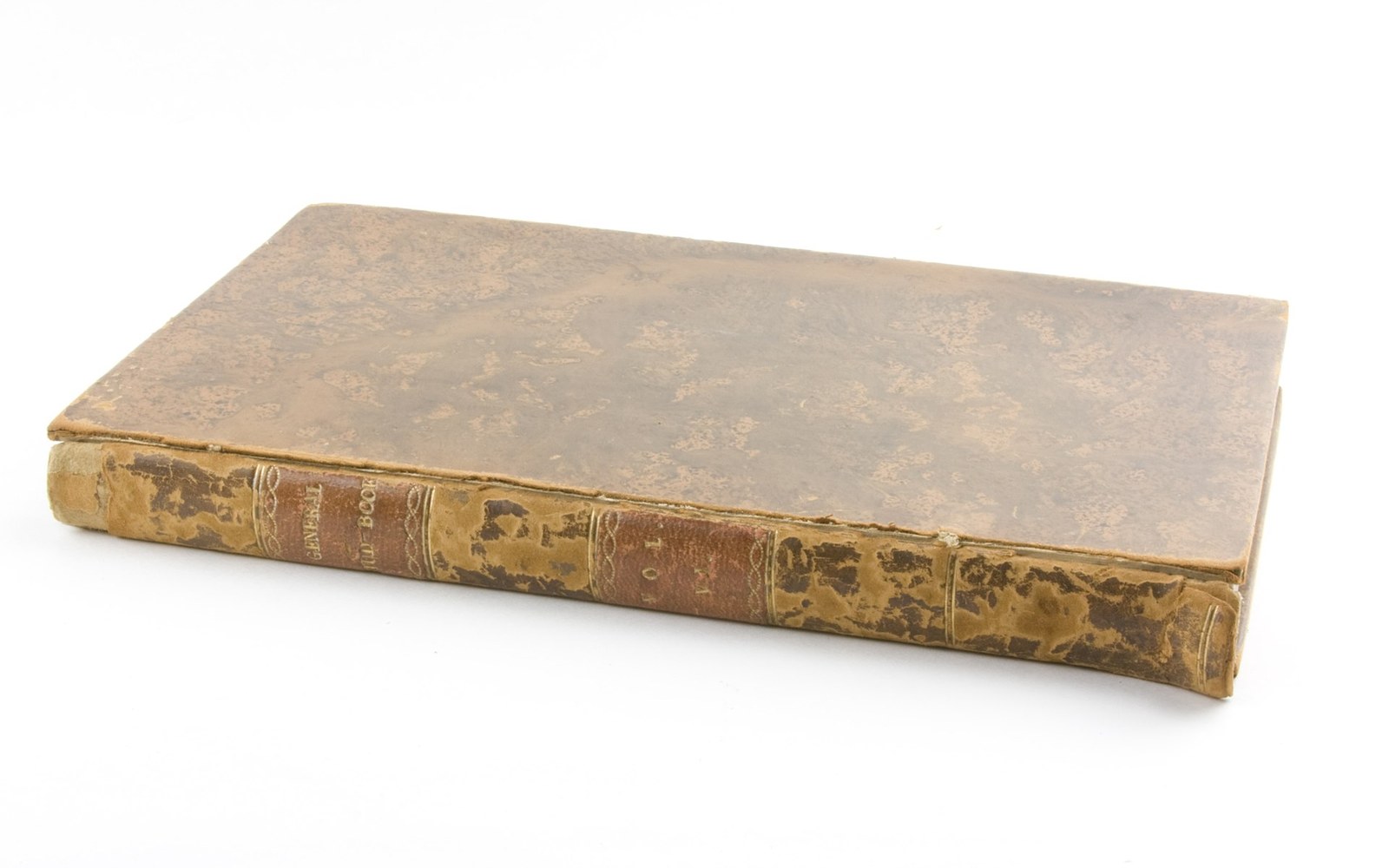
For the Thoroughbred industry centred on Newmarket and institutions such as Tattersalls, where animals change hands for sums that can reach seven figures, the passport system is the foundation of commercial trust. The General Stud Book, maintained by Weatherbys since the eighteenth century, is one of the oldest closed animal registries in existence; it means nothing without reliable individual identification. A horse cannot be registered if it cannot be proven to be the horse it is claimed to be.
DNA parentage verification adds a third layer. Weatherbys' DNA testing programme, now required for all Thoroughbred foal registrations, cross-references the foal's genetic profile against its declared sire and dam. A foal whose parentage does not verify does not enter the studbook. The chip confirms the individual; the passport records the history; the DNA confirms the lineage. Identification in the modern registry is not a single act but a system of overlapping proofs, each one designed to catch what the others might miss.

Read next
- A studbook is a closed registry before it is a breedA breed is defined by an administrative decision to stop admitting outside stock, and everything else follows from that date.
- Founding stock, and the coefficientClosed registries publish inbreeding coefficients, and the arithmetic of a small founding population is unavoidable.
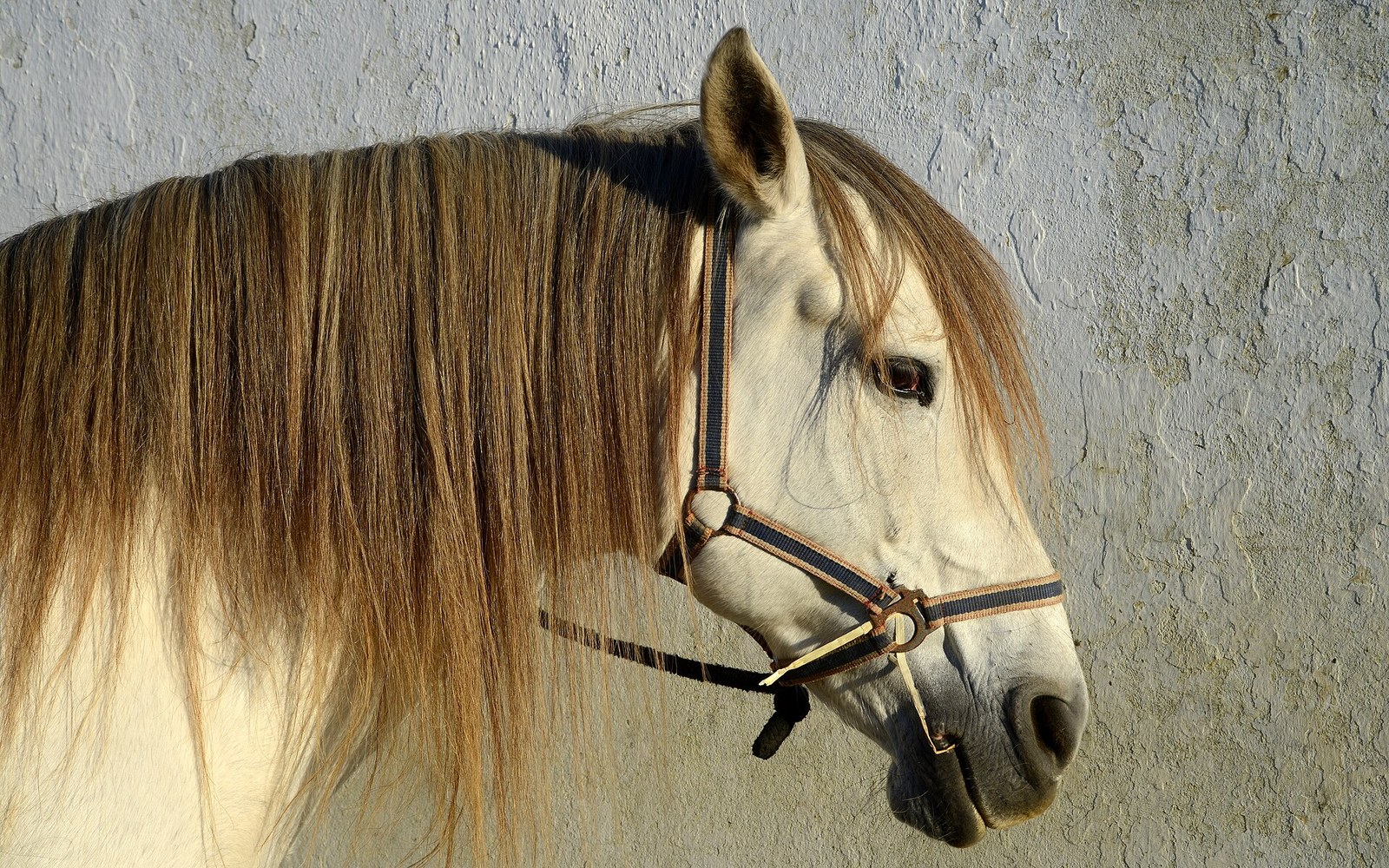 Built to see almost everything, except straight aheadMonocular vision on each side and a blind spot directly in front explain most of what gets read as temperament.