The Fall of the Hammer

Title, risk and the conditions of sale all change at one instant, which is why the procedure is so exact.
Title passes at the knock, and not a moment before
At Tattersalls, as at every established sale ring, the auctioneer's hammer is not a theatrical gesture. It is a legal instrument. The moment it falls, the contract of sale is formed — seller, buyer and price fixed in the same instant — and every practical consequence of that fact, from insurance to indemnity, flows from that single point in time.
The precision is not ceremonialism. Horses are large, expensive and mortal. One can break a leg in the walking ring between the fall of the hammer and the moment a handler gets a lead rope on it. One can have an undisclosed condition that surfaces in the hour after purchase. The law needs to know, at the exact moment a dispute arises, who owns the animal. The hammer provides that moment. Everything before it is negotiation; everything after it is ownership.
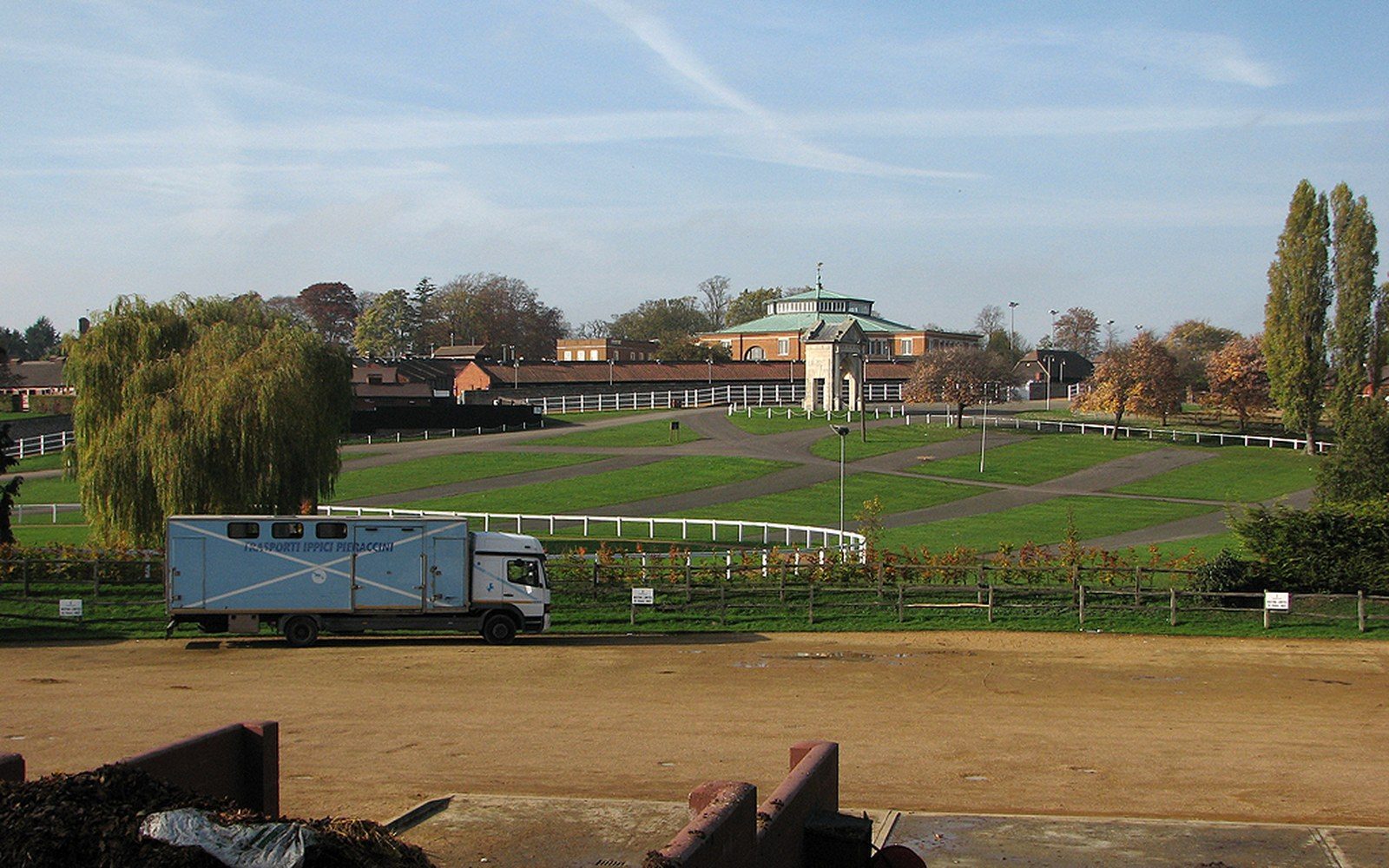
How the conditions govern the transaction
Before a horse ever enters the ring, the conditions of sale have been published. These are a formal legal document — not boilerplate, and not optional — and they define what warranties, if any, the vendor makes, what the buyer's obligations are from the moment of purchase, and what disputes the sale company will and will not arbitrate. At Tattersalls, these conditions have been refined over more than two and a half centuries of sale practice, and they are binding on every party in the room whether or not anyone has read them.
The reserve — the minimum price below which a lot is not sold — is set in advance by agreement between vendor and auctioneer, and the hammer does not fall below it. If bidding stalls short of the reserve, the lot is passed out, meaning no contract is formed and title stays with the vendor. This is the only circumstance in which the descending hammer is withheld once bidding has opened in earnest, and it is handled with minimal announcement precisely because the conditions already establish what has and has not happened.
Risk, title and the exact instant
The transfer of risk — the legal liability for the animal's welfare and safety — follows title, and title passes at the knock. This is why the conditions of sale specify so exactly what happens in the period immediately after purchase: registration of the buyer's name with the sales office, the payment schedule, and the point at which the sales company's responsibility for the horse's custody ceases. A buyer who fails to register promptly, or whose payment is not received within the specified period, may find that the conditions place them in a complicated position if anything happens to the horse in the interim.
The auctioneer is not a neutral party in the room. Legally, they act as agent for the vendor, and their role is to achieve the best price the market will produce on the day within the constraints the conditions set. They have the authority to refuse a bid, to re-open bidding if they believe an error was made before the hammer fell, and to settle disputes about whether a bid was made or acknowledged — judgements that, in a fast-moving ring with bidding signals ranging from a raised catalogue to a barely perceptible nod, require both practice and authority. Once the hammer is down, that authority contracts sharply: the contract is formed, and what follows is largely administrative and legal.
None of this procedure is arbitrary. It evolved in an environment where very large sums changed hands very quickly, where the commodity was alive and could not be held in escrow, and where the parties might be strangers from different jurisdictions. The ring's formality — the entry and exit of each horse, the sequence of bids, the exact moment of the knock — is the institutional answer to that set of problems. At Tattersalls or any comparable sale, the procedure runs the same way not out of tradition for its own sake, but because the legal framework underpinning auction contracts has been tested, challenged and refined across generations of high-value disputes, and this is what held.

Read next
- The ring, as an institutionA sale ring is a room built for a specific procedure, and the procedure is older than any of the buildings.
- What a catalogue entry actually statesPedigree, conditions of sale and warranties are a formal document, and the omissions are as informative as the entries.
 What does not sellUnsold lots are a documented part of every sale, and the reserve is why.